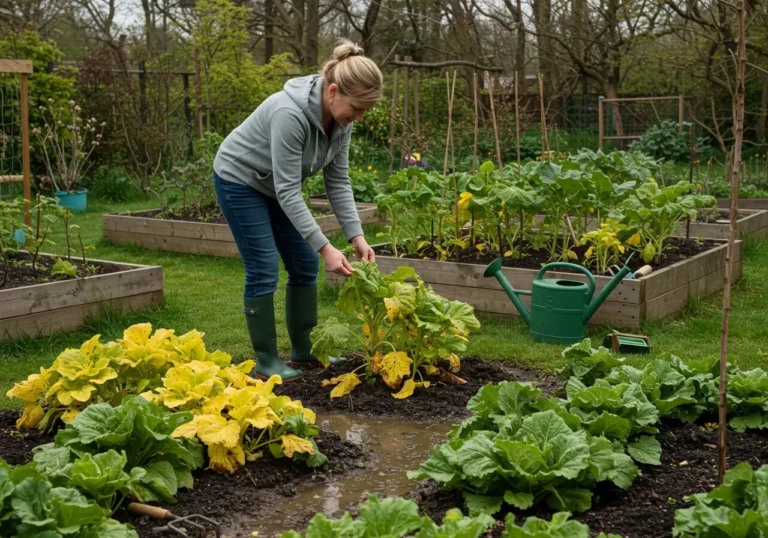
Starting your gardening journey can feel overwhelming-soil types, watering schedules, sunlight needs… where do you even begin? The good news: you don’t need a green thumb to grow beautiful, thriving plants at home. You just need the right plants and a bit of guidance.
As a horticulturist with over a decade of experience, I’ve seen countless beginners succeed (and fail) based on one simple factor: plant selection. Choose easy, forgiving plants, and you’ll build confidence fast. Choose demanding ones, and frustration sets in.
Let me tell you a secret: You don’t have a “black thumb.” You just haven’t met the right plant yet. The plants below actually want you to ignore them.
In this guide, we’ll walk through the best plants for beginners, along with practical tips, tools, and step-by-step advice to help you succeed-whether you’re gardening on a small balcony or inside a cozy apartment.
Why Choosing the Right Plants Matters
Not all plants are beginner-friendly. Some require precise humidity, strict watering schedules, or advanced pruning techniques. Others? They practically grow themselves.
Beginner-friendly plants typically:
- Tolerate irregular watering
- Adapt to different light conditions
- Resist pests and diseases
- Grow quickly (so you see results sooner)
Choosing these plants is the foundation of success—especially when planning a vegetable garden or starting your first indoor jungle.
The Two Biggest Traps Beginners Fall Into (And How to Avoid Them)
Before we list plants, understand why most new growers fail:
- Over-watering (the #1 killer): Roots need oxygen. When you water too often, roots rot. You are more likely to kill a plant by overwatering than by forgetting it.
- Wrong light: “Low light” does not mean a dark bathroom. It means indirect light. “Direct sun” means a sunbeam hitting the leaves.
Once you master these two concepts, you are ready for any plant on this list.
Tools and Materials You’ll Need
Before diving into plant choices, make sure you have the basics. You do not need expensive tools – just these:
Essential Gardening Tools
- Small hand trowel
- Watering can (with a narrow spout) – so you water the soil, not the leaves
- Pruning scissors (kitchen scissors work fine)
- Gardening gloves (optional)
- Spray bottle (for indoor plants – not required for most)
Basic Materials
- Quality potting soil (well-draining) – Do not use “garden soil” in pots. It compacts and drowns roots.
- Pots with drainage holes – Every single pot must have a hole. If it doesn’t, drill one or keep the plant in a plastic nursery pot inside a decorative pot.
- Organic fertilizer or compost – optional for the first 6 months
- Mulch or dried leaves (great for putting leaves to work)
- Your finger – The best moisture meter. Stick it into the soil to the second knuckle. Dry = water. Wet = wait.
Pro Tip: Avoid cheap soil-it’s one of the biggest beginner mistakes. Good soil = healthy plants.
Best Indoor Plants for Beginners
Indoor plants are perfect for urban gardeners or those with limited space. These four are the “unkillable” champions.
1. Snake Plant (Sansevieria)

Why it’s great:
- Thrives on neglect
- Tolerates low light (even fluorescent office lights)
- Needs watering only every 2–4 weeks
Care Tips:
- Place in indirect light (avoid harsh direct sun)
- Avoid overwatering (biggest mistake!)
- Use well-draining soil
- Pro Tip: When you do water, pour deeply until it runs out the bottom. Then forget about it for a month.
2. Pothos (Devil’s Ivy)

Why it’s great:
- Fast-growing and forgiving
- Beautiful trailing vines
- Easy to propagate
- This plant tells you when it’s thirsty (leaves go limp, then perk up within 24 hours of watering)
Care Tips:
- Water when the top 1-2 inches of soil feel dry
- Grows in low to bright indirect light
- Trim regularly for bushier growth
- Pro Tip: Cut a stem with 3 leaves, put it in a glass of water, and you have a new plant in 3 weeks. Free plants forever.
3. Spider Plant

Why it’s great:
- Produces baby plants (spiderettes) on long stems — fun for beginners
- Adapts to most environments
- Air-purifying qualities
- Safe for pets
Care Tips:
- Keep in bright, indirect light
- Water weekly (keep soil lightly moist, but not soggy)
- Repot when root-bound
- Pro Tip: Brown tips usually mean fluoride in tap water. Use distilled or rainwater if you want perfection.
4. ZZ Plant

Why it’s great:
- Extremely drought-tolerant
- Thrives in low light
- Almost impossible to kill
- Has potato-like rhizomes under soil that store water
Care Tips:
- Water sparingly (every 3–4 weeks)
- Avoid direct sunlight (it burns)
- Dust leaves occasionally with a damp cloth
- Pro Tip: You can go on a three-week vacation, come back, and it will look exactly the same.
Best Outdoor Plants for Beginners
If you have a balcony, terrace, or small yard, these plants are perfect to start.
1. Mint

Why it’s great:
- Grows بسرعة (very fast)
- Requires minimal care
- Useful in cooking and traditional herbal teas around the world
Care Tips:
- Keep soil moist (but not soggy)
- Grow in containers (it spreads aggressively and will take over a garden!)
- Partial sun is ideal (morning sun + afternoon shade)
2. Basil

Why it’s great:
- Essential for cooking (pesto, salads, pasta)
- Easy to grow from seeds
- Thrives in warm climates
Care Tips:
- Needs full sun (6+ hours daily)
- Water regularly (don’t let soil dry completely)
- Pinch leaves from the top to encourage bushier growth
3. Aloe Vera

Why it’s great:
- Medicinal uses (great for sunburn relief)
- Drought-resistant
- Perfect for hot climates where water conservation matters
Care Tips:
- Water every 2–3 weeks (let soil dry completely between waterings)
- Use sandy, well-draining soil
- Keep in bright, indirect light (some morning sun is fine)
4. Tomatoes (Cherry Tomatoes Recommended)

Why it’s great:
- High reward plant (nothing beats a homegrown tomato)
- Great for planning a vegetable garden
- Fast-growing varieties available like ‘Tiny Tim’ or ‘Sweet 100’
Care Tips:
- Full sun required (6-8 hours daily)
- Support with stakes or a small cage
- Water consistently (don’t let soil dry out completely)
- Pro Tip: A 5-gallon bucket with drainage holes is perfect for one tomato plant.
Step-by-Step Guide to Getting Started
Step 1: Choose the Right Location
- Indoor: near a window with indirect sunlight (east or north-facing windows are ideal for beginners)
- Outdoor: observe sun patterns (morning sun is gentler than harsh afternoon sun)
Step 2: Pick Beginner-Friendly Plants
Start with 2–3 plants-not 10. Focus on learning, not quantity. A Snake Plant + Pothos + one herb is a perfect starter collection.
Step 3: Use the Right Soil
- Indoor plants: light, well-draining potting mix
- Vegetables: nutrient-rich soil with compost
This is where putting leaves to work becomes powerful—use dried leaves as mulch or compost to enrich your soil naturally.
Step 4: Water Properly
- Check soil before watering (finger test to the second knuckle)
- Avoid a fixed schedule—plants aren’t robots
- Most beginners overwater, not underwater
- The golden rule: When in doubt, wait a day. It’s easier to fix a dry plant than a drowned one.
Step 5: Monitor and Adjust
Watch your plants for signals:
- Yellow leaves → too much water (usually)
- Brown, crispy tips → dry air or underwatering
- Leggy, stretched stems → not enough light
Common Mistakes (And How to Avoid Them)
| Mistake | Why It Happens | The Fix |
|---|---|---|
| 1. Overwatering | Watering on a schedule, not based on soil moisture | Always check soil before watering |
| 2. Wrong Light Conditions | Assuming “low light” means a dark corner | Match plant needs to your environment |
| 3. Ignoring Drainage | Using decorative pots without holes | Always use pots with drainage holes |
| 4. Starting Too Big | Buying 10 plants at once | Begin small. Master a few plants first |
| 5. Using Poor Soil | Saving money on cheap “garden soil” | Invest in quality potting mix |
Bonus mistake: Fungus gnats (tiny flies) – soil stayed too wet. Fix: Let soil dry out. Add 1/2 inch of sand on top.
Seasonal & Climate Tips (Especially for Warm Climates)
If you’re gardening in a warm region with hot summers and mild winters:
Spring (Best Time to Start)
- Ideal for planting herbs and vegetables
- Mild temperatures help plants establish roots
- Start seeds indoors if nights are still cool
Summer
- Water early morning or evening (never in midday heat)
- Provide shade for sensitive plants (move pots out of afternoon sun)
- Check soil daily – outdoor pots may need water every single day
Autumn
- Great for leafy greens (lettuce, spinach, arugula)
- Start composting fallen leaves (perfect for putting leaves to work)
- Reduce watering as temperatures drop
Winter
- Protect plants from cold nights (bring tender plants indoors)
- Reduce watering frequency significantly (plants go dormant)
- Stop fertilizing until spring
Pro Tips for Better Results
- Group plants with similar needs (light, water) to make care easier
- Rotate indoor plants every few weeks for even growth
- Use organic compost instead of chemical fertilizers
- Talk to your plants – okay, not required, but observation matters!
- Keep a simple gardening journal – even just notes on your phone. Write down when you water and how the plant responds.
- Bottom water your Pothos and Spider Plants: Set the pot in a tray of water for 20 minutes. The soil wicks up exactly what it needs.
- The “Dust Test”: If you run your finger over a leaf and see dirt, that leaf is starving. Wipe leaves monthly with a damp cloth.
- Quarantine new plants for 2 weeks away from your collection. Nurseries sometimes bring pests.
- Use room-temperature water. Cold water shocks tropical roots.
Planning a Beginner-Friendly Vegetable Garden
If you’re ready to level up from houseplants to food, follow the “Three S” rule: Start Small, Start Smart, Start Seasonal.
Do not build a 20×20 foot bed in your first year. You will be overwhelmed by weeds and watering.
Start Small
- Use containers or a small raised bed (4×4 feet is plenty)
- A balcony with 3-5 pots is perfect
Choose Easy Crops (The Beginner Trio)
- Tomatoes (cherry varieties) – high reward, forgiving
- Lettuce / Spinach – grow fast (30-45 days), harvest outer leaves
- Radishes – from seed to harvest in 25 days, almost impossible to mess up
Herbs to Add
Layout Tips
- Taller plants at the back (tomatoes, trellised beans)
- Shorter plants in front (lettuce, radishes, herbs)
- Ensure proper spacing (don’t crowd – read the seed packet)
Keyword tip: When planning a vegetable garden, simplicity beats complexity every time.
Putting Leaves to Work: The Free Fertilizer Hack (Deep Dive)

You saw this mentioned above. Now let me show you exactly how to do it, because most beginners throw away gold every autumn.
Leaves are not trash. They are free soil amendment.
When you start putting leaves to work, you stop buying expensive fertilizers and start building healthy soil naturally.
How to Make Leaf Mold (The Lazy Compost)
Leaf mold is simply decomposed leaves. It holds 3-5 times its weight in water and improves any soil structure.
Step-by-step:
- Collect dry leaves in autumn. Shred them by running over them with a lawnmower (shredded breaks down faster).
- Bag them in black trash bags. Poke 10 holes in the bag for air circulation.
- Moisten the leaves slightly (like a wrung-out sponge – not dripping).
- Store the bags behind your garage or shed for 6-12 months.
- Use the resulting crumbly, dark material as mulch or mix it into your vegetable garden beds.
Why this works: Leaves contain trace minerals that tree roots pulled from deep underground. When you put those leaves back into your veggie bed, you are recycling micronutrients that no bottle of synthetic fertilizer can replicate.
Quick alternative: No space for bags? Simply use shredded leaves as a 2-inch mulch layer directly on top of your soil. They will break down slowly and feed your plants for free.
FAQs
What is the easiest plant to grow for beginners?
Snake plants and pothos are among the easiest—they tolerate neglect and adapt well to indoor conditions. For outdoors, mint and radishes are nearly foolproof.
How often should I water my plants?
It depends on the plant, but generally: water when the top inch of soil feels dry. Use the finger test. Avoid fixed schedules like “every Monday.”
Can I start gardening without a garden?
Absolutely! Containers, balconies, and even windowsills work perfectly. Many beginners start with 2-3 pots on a sunny balcony or a single Pothos on a desk.
What’s the best soil for beginners?
A high-quality, well-draining potting mix enriched with compost is ideal. Never use garden soil in pots-it compacts and drowns roots.
How do I use fallen leaves in gardening?
Great question! Putting leaves to work means using them as mulch or compost to improve soil health naturally. Collect dry leaves, shred them, and either:
Use as a 2-inch mulch layer on top of soil (suppresses weeds, retains moisture)
Make leaf mold (follow the 5-step process above)
My plant has white fuzzy stuff on the stems. What do I do?
That is mealybugs (a common pest). Dip a Q-tip in rubbing alcohol and touch it to each white bug. They die instantly. Check the plant every 3 days for a week to catch the babies.
Can I grow vegetables indoors?
Yes, but you need a strong grow light. Leafy greens like lettuce and herbs like basil can grow on a sunny windowsill, but fruiting plants like tomatoes need intense light. For beginners, start with herbs indoors.

Conclusion: Start Small, Grow Big
Gardening isn’t about perfection-it’s about progress. Every plant you grow teaches you something new. By choosing beginner-friendly plants and following simple care steps, you’ll build confidence quickly.
Here is your assignment: Do not go buy ten plants. Go buy one Pothos or Snake Plant. Put it in a room you use every day—your kitchen counter or home office desk.
Do not water it for one week. Just look at it. After seven days, stick your finger in the soil. If it’s dry, water it. If it’s damp, wait three more days.
That is it. You have now successfully kept a plant alive.
Once you feel confident, apply the same logic to a pot of cherry tomatoes on your balcony. Remember: When planning a vegetable garden, start with one pot, not a farm. And next autumn, instead of bagging your leaves for the landfill, start putting leaves to work in a simple trash bag. Your soil—and your wallet—will thank you.
Your next step:
Pick one plant from this list and start growing this week. Your future garden will thank you.
Now go get your hands dirty. You’ve got this.
Do you have a “dead plant story”? Share your biggest gardening fail in the comments below—I read every single one, and I promise you aren’t alone.