
Featured Snippet: How do you grow hostas successfully?
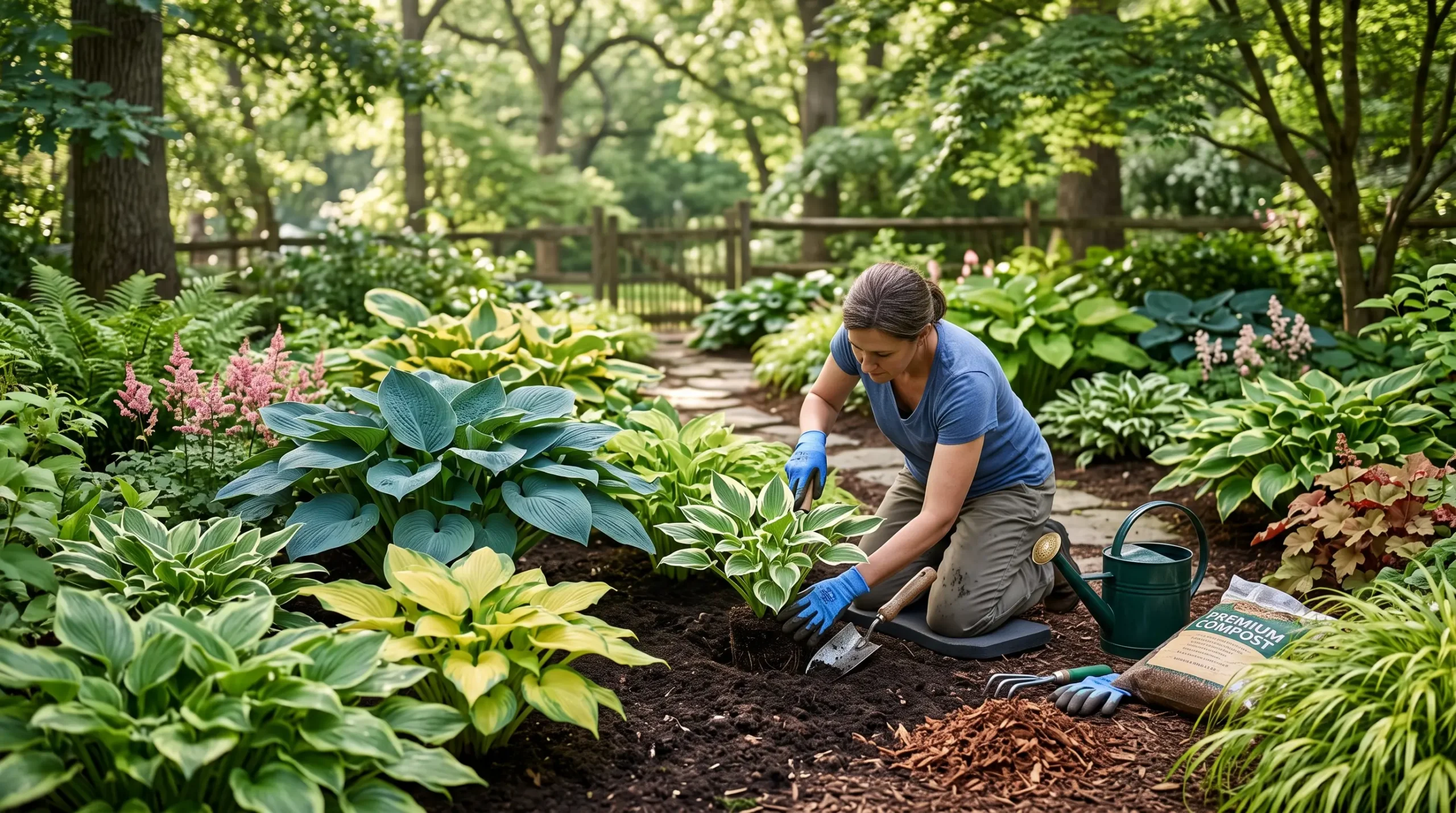
To grow hostas successfully, plant them in a spot with partial to full shade and well-draining, humus-rich soil. Provide consistent moisture-about an inch of water per week-and apply a layer of organic mulch to retain hydration. Fertilize in early spring with a balanced, slow-release formula and protect plants from slugs and deer to ensure lush, vibrant foliage.
If there is one plant that defines the American shade garden, it is the hosta. Often called “Plantain Lilies,” these perennial powerhouses have earned their spot as a staple for both novice gardeners and seasoned horticulturists. Why? Because hostas are remarkably resilient, incredibly long-lived, and offer a diversity of color and texture that few other plants can match.
As a horticulturist with over two decades of experience in the dirt, I’ve seen hostas transform drab, “difficult” patches of deep shade into lush, architectural landscapes. Whether you are looking for a massive specimen like ‘Empress Wu’ to anchor a corner or a tiny ‘Mouse Ears’ for a fairy garden, there is a hosta for every niche.
In this guide, we are going to go beyond the basics. We will dive into the nuances of soil chemistry, the physics of watering, and the strategic placement that separates a “surviving” hosta from a “thriving” one. If you’ve ever wondered how to grow hostas that look like they belong on the cover of a magazine, you’re in the right place.


Recommended Product
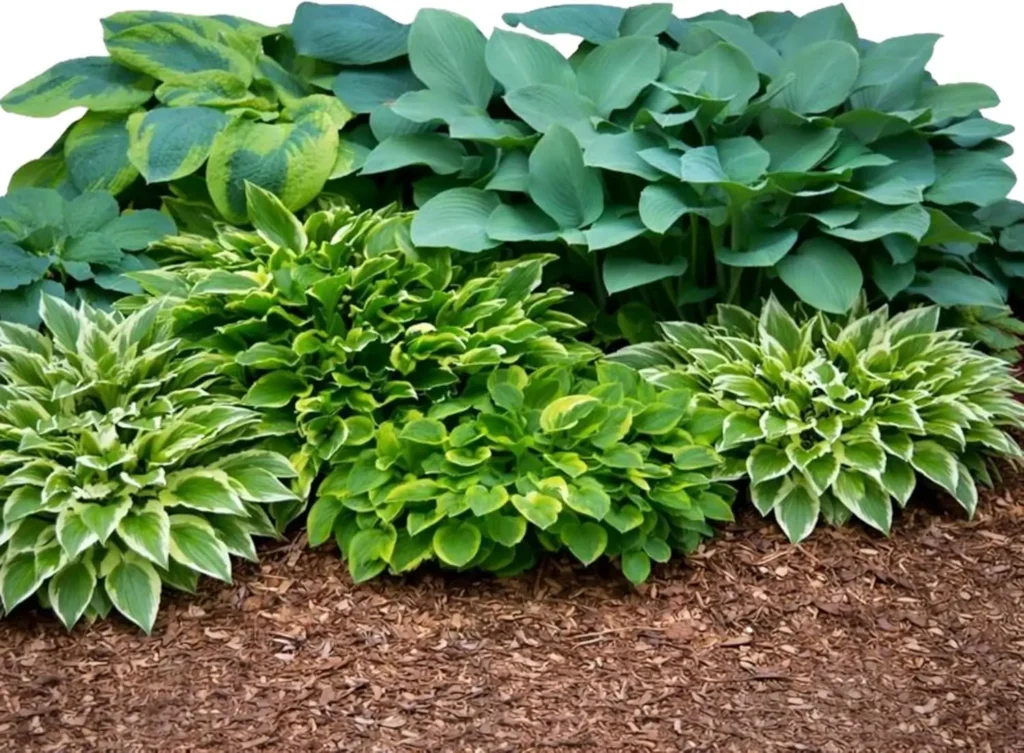
Easy to Grow Hosta Bumper Crop Mix (30 Trimmed Roots) is a great choice for starting a beautiful shade garden. It includes 30 mixed hosta roots with green, blue, and chartreuse foliage, perfect for USDA Zones 3–8 and partial to full shade. Summer blooms also help attract hummingbirds.
Why We Recommend It
- 30 trimmed hosta roots for planting a full shade garden
- Mixed hosta varieties with green, blue, and chartreuse foliage
- Beautiful summer blooms that add seasonal interest
- Attracts hummingbirds and other beneficial pollinators
- Thrives in partial to full shade, ideal for woodland gardens
- Hardy in USDA Zones 3–8 for reliable perennial growth
What Are Hostas?
Hostas are herbaceous perennials native to Northeast Asia, specifically Japan, China, and Korea. They were brought to Europe in the late 1700s and have since become the backbone of the North American shade garden.
Botanical Profile
- Genus: Hosta (formerly Funkias)
- Family: Asparagaceae (related to asparagus and lilies)
- USDA Hardiness Zones: 3 through 9 (some varieties handle zone 2 or 10 with care)
- Lifecycle: Perennial; they go dormant in winter and return larger each spring.
- Size Range: From 2 inches tall (miniatures) to 4 feet tall with 6-foot spreads (giants).
- Growth Habit: Clump-forming, mounding foliage.
- Lifespan: Virtually indefinite. With proper care, a hosta can live for 30+ years.
Hostas are primarily grown for their foliage, which comes in shades of blue-gray, chartreuse, deep emerald, and variegated patterns of cream and white. While they do produce lily-like flowers on tall stalks (scapes) in summer, many gardeners value the leaves above all else
Why Gardeners Love Hostas
As a professional gardener, I am frequently asked: “What’s the best plant for that spot under the oak tree where nothing grows?” The answer is almost always a hosta.
- Extreme Shade Tolerance: They thrive where grass and most flowering perennials fail.
- Low Maintenance: Once established, they require very little “hand-holding.”
- Ground Cover Excellence: Their wide leaves shade the ground, naturally suppressing weeds.
- Pollinator Friendly: The tubular flowers are a magnet for bumblebees and hummingbirds.
- Versatility: They work in containers, borders, woodland paths, and even as structural foundation plants.
- Evolving Beauty: Hostas actually get better with age. A three-year-old plant looks exponentially more impressive than a first-year transplant.
Best Types of Hostas: Variety Comparison
With over 6,000 registered cultivars, choosing the right one can feel overwhelming. Below is a curated list of “Gold Standard” varieties that consistently perform well across the United States.
| Variety | Mature Size | Leaf Color | Sun Tolerance | Best Use |
|---|---|---|---|---|
| Blue Angel | Giant (3’H x 6’W) | Silvery Blue | Low | Specimen plant, privacy |
| Patriot | Medium (1.5’H) | Green w/ Crisp White edge | Moderate | Borders, brightening dark corners |
| June | Medium (1’H) | Gold with Blue-Green edge | Moderate | Award-winner, stunning color |
| Empress Wu | Massive (4’+ H) | Deep Green | Low | Living focal point |
| Sum and Substance | Giant (3’H x 5’W) | Chartreuse/Gold | High | Sunnier spots, massive scale |
| Halcyon | Medium (1.5’H) | Intense Chalky Blue | Low | Modern texture, slug resistance |
| Guacamole | Large (2’H) | Apple Green w/ Darker edge | High | Fragrant flowers, sun-tolerant |
| Fire and Ice | Small (8″H) | White center w/ Green edge | Very Low | Small gardens, containers |
| Blue Mouse Ears | Miniature (6″H) | Thick Blue-Gray | Low | Rock gardens, pots |
| Stained Glass | Large (1.5’H) | Brilliant Gold w/ Green | High | Mid-border, fragrant |
When to Plant Hostas
Timing is everything when it comes to hosta plant care. While hostas are tough, planting them during a record-breaking heatwave is a recipe for stress.
Spring Planting (The Gold Standard)
The best time to plant hostas is in the early spring, just as the “eyes” (the pointed tips of the new leaves) begin to poke through the soil. At this stage, the plant is entering its most vigorous growth phase, allowing roots to establish before summer heat arrives.
Fall Planting
Late summer to early autumn (at least 4-6 weeks before the first hard frost) is the second-best window. The soil is still warm, which encourages root growth, while the cooler air temperatures reduce leaf transpiration.
Regional Considerations
- North (Zones 3-5): Focus on spring planting. The short growing season means plants need all the time they can get to settle in before a deep freeze.
- South (Zones 7-9): Fall planting is often superior here. It allows the plant to establish roots during the mild winter without being scorched by an immediate Southern summer.
Where to Plant Hostas: The Golden Rules
If you get the location right, growing hostas becomes 90% easier.
1. Sunlight Requirements
Despite their reputation as “shade plants,” hostas do need some light to photosynthesize.
- Deep Shade: Deep green and blue varieties thrive here.
- Partial Shade: Variegated (white/cream) hostas prefer dappled light or morning sun.
- Morning Sun/Afternoon Shade: This is the “Sweet Spot” for almost all hostas. Morning sun is cool; afternoon sun (post-1:00 PM) is harsh and can scorch leaves.
- The Yellow/Gold Rule: Yellow hostas (like ‘Sun Power’) actually need more sun to develop their bright color. In deep shade, they may turn chartreuse or lime green.
2. Best Soil for Hostas
Hostas are “heavy feeders” and “heavy drinkers.” They want soil that mimics the forest floor.
- Texture: Loose, loamy, and rich in organic matter.
- pH: Slightly acidic to neutral (6.5 to 7.0 is ideal).
- Drainage: This is non-negotiable. While they love moisture, they will rot in standing water. If you have heavy clay, amend it with compost or peat moss.
3. Spacing
One of the most common mistakes is crowding. Check the mature width of your variety.
- Small Hostas: Space 12 inches apart.
- Medium Hostas: Space 24–36 inches apart.
- Giant Hostas: Space 4–6 feet apart.
Step-by-Step Guide to Growing Hostas
Step 1: Choose Healthy Plants
When buying from a nursery, look for plants with multiple “eyes” and no signs of yellowing or tattered leaves. Check the underside of leaves for any signs of pests.
Step 2: Prepare the Soil
Don’t just dig a hole in the grass. Clear a wide area and mix in 2-3 inches of high-quality compost or aged manure. This provides the “fuel” for the plant’s first year.
Step 3: Dig the Planting Hole
Dig a hole twice as wide as the root ball and about the same depth. In the center of the hole, I like to create a small mound of loose soil for the roots to drape over.
Step 4: Plant Correctly
Place the hosta so that the crown (where the leaves meet the roots) is at or slightly below the soil surface. Planting too deep can cause crown rot; planting too shallow can cause the roots to dry out.
Step 5: Water Thoroughly
Immediately after planting, give the plant a deep soak. This settles the soil around the roots and eliminates air pockets.
Step 6: Apply Mulch
Spread a 2-inch layer of shredded bark, pine needles, or leaf mold around the base. Expert Tip: Keep the mulch an inch away from the stems to prevent rot.
Step 7: Monitor New Growth
For the first 2-4 weeks, check the soil daily. It should feel like a wrung-out sponge—moist but not muddy.
How Often Should You Water Hostas?
Watering is the most critical aspect of hosta care. Hostas have large surface areas on their leaves, which means they lose a lot of water through transpiration.
- Newly Planted Hostas: Water every 2–3 days, depending on the heat.
- Established Hostas: They generally need 1 inch of water per week.
- The “Deep Soak” Rule: It is better to water deeply once or twice a week than to give a light sprinkle every day. Deep watering encourages the roots to grow downward, making the plant more drought-tolerant.
- Summer Heat Waves: During temperatures above 90°F, hostas may need a drink every other day, especially if they are in pots.
- Signs of Underwatering: Drooping leaves, crispy brown edges (leaf scorch), or a “dull” appearance to the foliage.
- Signs of Overwatering: Yellowing lower leaves and a mushy crown.
Best Fertilizer for Hostas
You don’t need a chemistry degree to fertilize hostas, but a little boost goes a long way.
- Organic Matter: The best “fertilizer” is a yearly application of compost in the spring.
- Slow-Release Granules: Use a balanced 10-10-10 or 12-12-12 NPK fertilizer in early spring as new growth emerges.
- Liquid Fertilizer: If you want a “growth spurt” for a special event, a liquid seaweed or fish emulsion can be used every 3 weeks through mid-summer.
- What to Avoid: Stop fertilizing by late July. You don’t want to encourage tender new growth right before the plant needs to prepare for winter dormancy.
Mulching Tips for Success
Mulch is the “unsung hero” of growing hostas. It does three vital things: regulates soil temperature, retains moisture, and suppresses weeds.
- Leaf Mold: This is my personal favorite for hostas. It mimics their natural forest environment.
- Pine Bark Nuggets: Great for drainage and long-lasting.
- Shredded Cedar: Excellent for repelling certain insects.
- The Depth Factor: Aim for 2-3 inches. Any deeper and you risk suffocating the roots or providing a hiding spot for voles.
Growing Hostas in Containers
Hostas are superb container plants, especially for porches, balconies, or areas with “root competition” from large trees.
- The Pot: Ensure it has large drainage holes. Terracotta is beautiful but dries out fast; glazed ceramic or plastic holds moisture better.
- Potting Mix: Use a high-quality commercial potting soil—never garden soil, which is too heavy for pots.
- Watering: Containers dry out much faster than the ground. In August, you might need to water daily.
- Winter Care: In cold climates (Zones 3-6), container hostas can freeze and thaw repeatedly, which kills them. Move pots into an unheated garage or bury the pot in the ground for the winter.
How and When to Divide Hostas
You don’t have to divide hostas, but after 5–10 years, the center of the clump may begin to die out, or the plant may outgrow its space. Dividing hostas is the best way to get free plants for the rest of your yard!
When to Divide
- Spring: Just as the eyes appear. This is the easiest time because the leaves aren’t in the way.
- Late Summer: After the heat of summer has passed but while the plant still has time to grow new roots before winter.
Step-by-Step Division
- Dig: Dig up the entire clump, getting as much of the root ball as possible.
- Clean: Hose off the dirt so you can see the crown and individual “eyes.”
- Separate: Use a sharp, clean spade or a garden knife to slice through the crown. Ensure each division has at least 2-3 eyes and a healthy set of roots.
- Replant: Get the new divisions back into the ground or pots as quickly as possible to prevent the roots from drying out.
Common Problems & Troubleshooting
| Problem | Cause | Solution |
|---|---|---|
| Yellowing Leaves | Overwatering or Natural Dormancy | Check soil moisture; if it’s fall, this is normal. |
| Brown/Crispy Edges | Sun scorch or Lack of water | Move to a shadier spot or increase watering. |
| Holes in Leaves | Slugs or Snails | Apply iron phosphate pellets or use beer traps. |
| Sudden Wilting | Root rot or Voles | Check for mushy stems; check for tunnels under the plant. |
| Bleached/White Spots | Sunburn | Provide temporary shade or relocate. |
| Stunted Growth | Poor soil or root competition | Amend with compost; move away from tree roots. |
Pests That Attack Hostas
If hostas have a “kryptonite,” it’s definitely the local wildlife.
1. Slugs and Snails
The most common nuisance. They love the moist, cool environment under hosta leaves.
- Solution: Use “Sluggo” (iron phosphate), which is pet-safe. Diatomaceous earth or copper tape around pots can also help.
2. Deer
To a deer, a hosta is basically a giant bowl of salad.
- Solution: Deer-resistant sprays (must be reapplied after rain), motion-activated sprinklers, or physical fencing.
3. Voles
These “meadow mice” eat hosta roots from underground, often during winter.
- Solution: Plant in “Vole Guard” wire baskets or use gravel in the planting hole to discourage digging.
4. Rabbits
They tend to eat the tender “eyes” in the spring.
- Solution: Chicken wire cages over emerging plants until they are large enough to withstand a bit of nibbling.
Hosta Diseases
While generally healthy, keep an eye out for these:
- Hosta Virus X (HVX): Look for weird “ink bleeding” patterns on the veins or puckered, distorted leaves. There is no cure; the plant must be dug up and trashed (do not compost).
- Petiole Blight: The leaves turn yellow and pull away from the crown easily. It’s a fungal issue caused by excessive moisture and mulch touching the stems.
- Anthracnose: Large, irregular tan spots with dark borders. Usually happens in very wet, warm weather. Improve air circulation.
Seasonal Hosta Care Calendar
| Season | Tasks |
|---|---|
| Spring | Clean away old leaves; apply compost and 10-10-10 fertilizer; divide plants; start slug prevention. |
| Summer | Water deeply during dry spells; deadhead flower scapes (unless you want seeds); monitor for deer damage. |
| Fall | Stop fertilizing; plant new hostas; wait for the first frost to turn leaves yellow, then cut back to the ground. |
| Winter | Apply an extra layer of mulch in cold zones to prevent “frost heaving”; dream of next year’s garden! |
Best Companion Plants
Hostas are the “social butterflies” of the shade world. They look best when paired with plants that offer contrasting leaf shapes and colors.
- Ferns: The lacy texture of a Japanese Painted Fern or Ostrich Fern balances the broad, flat leaves of a hosta.
- Astilbe: Provides vertical interest and feathery flowers that bloom while hostas are at their peak.
- Coral Bells (Heuchera): These offer vibrant purples, reds, and silvers that “pop” against green hostas.
- Brunnera (False Forget-Me-Not): Specifically the variety ‘Jack Frost’ with its silver heart-shaped leaves.
- Japanese Forest Grass (Hakonechloa): The cascading gold foliage looks incredible spilling over the edge of a hosta bed.
- Bleeding Heart (Lamprocapnos): Provides early spring color before hostas have fully unfurled.
Landscaping Ideas
- The Woodland Walk: Line a mulch path with alternating varieties of blue and chartreuse hostas.
- Under-Tree Groundcover: Use “Standard” green hostas to create a carpet of green under large maples or oaks.
- Foundation Brightening: Use variegated ‘Patriot’ or ‘Francee’ hostas to brighten the dark north side of your home.
- The Specimen Anchor: Plant a single ‘Empress Wu’ or ‘Sum and Substance’ at the end of a sightline to draw the eye.
- The Container Trio: Group three pots of different heights with a miniature, a medium, and a cascading companion plant.
Expert Tips for Bigger, Healthier Hostas
As a master gardener, these are the “inside secrets” I tell my clients:
- The “Third Year” Rule: Remember the adage for perennials: “The first year they sleep, the second year they creep, the third year they leap!” Be patient.
- Water the Roots, Not the Leaves: Overhead watering can encourage fungal diseases and “wash off” the beautiful waxy blue coating on blue hostas.
- Remove Flower Scapes: If you want the plant to put all its energy into leaf production, cut off the flower stalks as soon as they appear.
- Blue Hostas Need Deep Shade: The “blue” is actually a waxy coating. In hot sun, that wax melts, and your blue hosta will turn green.
- Coffee Grounds Work: Spreading used coffee grounds around hostas adds a tiny bit of nitrogen and may deter some slugs.
- Epsom Salts: A tablespoon of Epsom salts (magnesium sulfate) dissolved in a gallon of water can help intensify the green and blue colors of the leaves.
- Check for “Air Pockets”: After a hard winter, some hostas may be pushed out of the ground (heaving). Gently push them back down and add mulch.
- Don’t Cut Too Early: In the fall, wait until the leaves have turned completely yellow or brown before cutting them back. The plant is still pulling nutrients into the roots until then.
- Airflow is Key: Don’t pack plants so tightly that air cannot move. This is the best way to prevent fungal leaf spots.
- Use a Sharp Knife for Division: A dull blade crushes the plant tissue; a sharp blade makes a clean wound that heals faster.
- Liquid Seaweed: Use this as a foliar spray in the spring to help the plant resist environmental stress.
- The “Deer Soap” Trick: Some gardeners swear by hanging bars of highly scented soap (like Irish Spring) in mesh bags near their hostas.
- Mark Your Miniature Hostas: It’s easy to accidentally step on “Mouse Ears” in the spring before they emerge. Use a small garden stake to mark their location.
- Avoid High-Nitrogen Lawn Fertilizer: If your hostas are near the lawn, be careful. Too much nitrogen can lead to “leggy” growth that attracts more pests.
- Celebrate the Texture: Focus less on flowers and more on leaf texture—puckered, smooth, wavy, or ribbed. This is where the true beauty lies.
Common Mistakes Beginners Make
- Planting in the Afternoon Sun: This is the #1 cause of “ugly” hostas. Scorched leaves do not recover; you have to wait for new growth.
- Ignoring the “Slug Holes”: If you see holes, act immediately. A slug infestation can tatter a plant in 48 hours.
- Planting Too Deep: If the “eye” is 3 inches underground, it may rot before it ever sees the light.
- Forgetting to Water in the Fall: Roots are still growing in October. Don’t stop watering just because the flowers are gone.
- Not Amending Clay Soil: Hostas in heavy clay will struggle with “wet feet,” leading to root rot.
Frequently Asked Questions (FAQ)
How fast do hostas grow?
Hostas are moderate growers. They usually reach their full mature size in 3 to 6 years, depending on the variety (giants take longer than minis).
Can hostas grow in full sun?
Most cannot, but a few varieties like ‘Sum and Substance’ or ‘Guacamole’ can handle significant sun if given enough water.
Do hostas come back every year?
Yes! They are reliable perennials that go dormant in winter and return in the spring.
Why are my hosta leaves turning yellow?
If it’s fall, it’s natural dormancy. If it’s summer, it’s likely overwatering, poor drainage, or a lack of nitrogen.
How often should I water hostas?
Aim for about an inch of water once a week, increasing to twice a week during extreme heat.
Can hostas grow indoors?
Not successfully. They require a period of winter dormancy (cold temperatures) to survive long-term.
How long do hostas live?
They can live for 30 years or more with very little care.
Are hostas poisonous to pets?
Yes, hostas contain saponins and are toxic to dogs, cats, and horses if ingested.
Can I grow hostas in pots?
Absolutely. They are excellent for container gardening as long as the pot has drainage.
When should I divide hostas?
Early spring (when eyes appear) or late summer (when the weather cools).
What eats hosta leaves?
Mainly slugs, snails, deer, and rabbits.

Final Thoughts
Growing hostas is one of the most rewarding endeavors in gardening. There is a profound sense of satisfaction in watching those tiny spikes emerge from the cold spring earth and unfurl into a cathedral of lush, architectural foliage.
By choosing the right location, preparing your soil with care, and keeping a watchful eye on moisture and pests, you can create a shade garden that thrives for decades. Hostas don’t just fill a space; they provide a foundation of color and serenity that few other plants can match. So, go ahead-pick out a few varieties, get your hands in the dirt, and start your own hosta legacy today.


