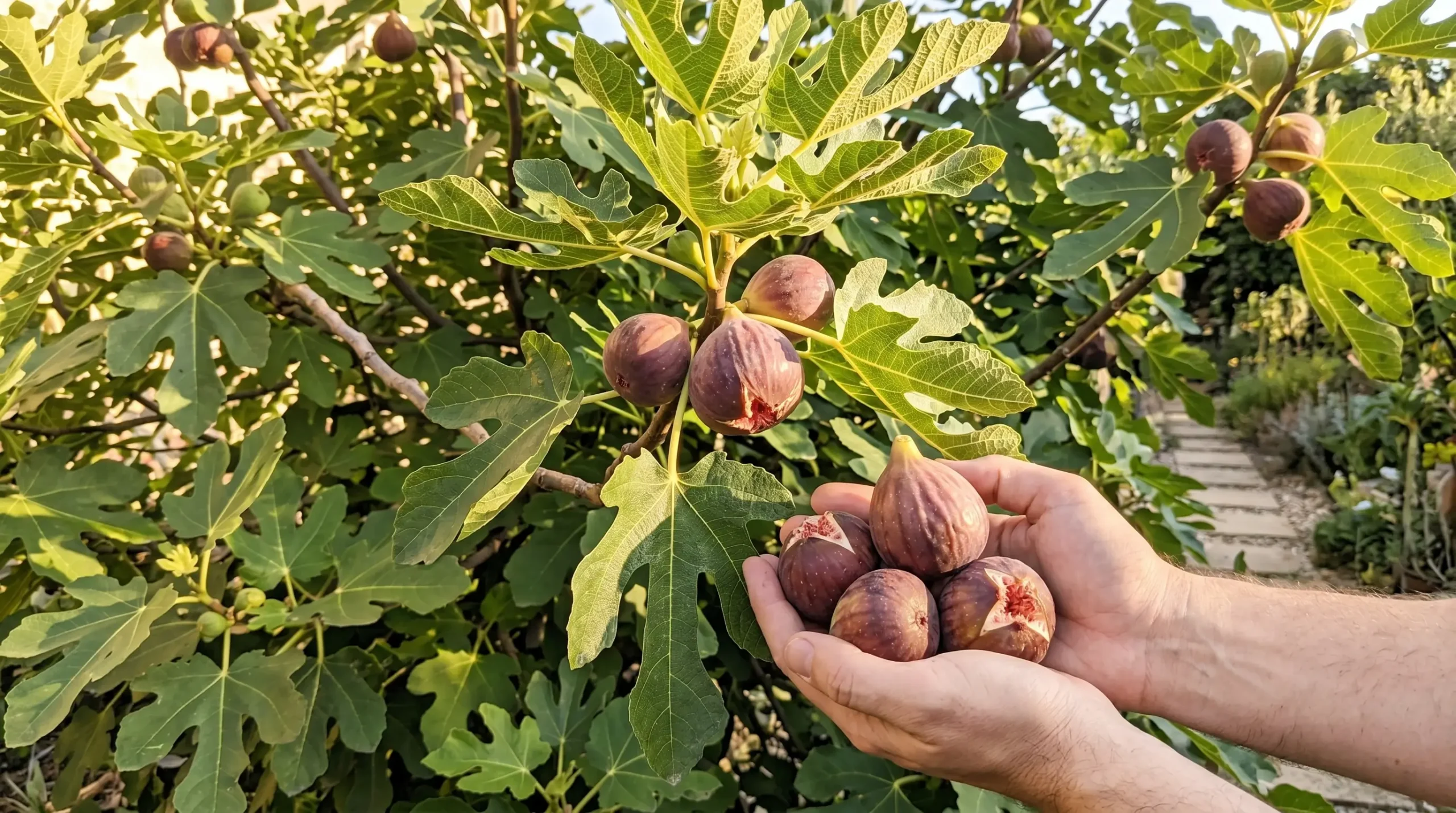
There’s something deeply satisfying about picking sun-ripened figs straight from your own garden. Their sweet flavor, soft texture, and old-world charm make fig trees one of the most rewarding fruit trees to grow at home. Even better? You can create new fig trees from an existing one without spending money at a nursery.
Whether you’re a beginner gardener with a small backyard, an urban gardener growing in containers, or an experienced grower expanding your orchard, learning how to propagate a fig tree is a skill worth mastering.
Fig trees are among the easiest fruit trees to propagate. With a few simple tools and a little patience, you can grow strong, productive trees that provide delicious fruit for years to come.
In this guide, you’ll learn the best propagation methods, when to do them, common mistakes to avoid, and expert tips for long-term success.


Why Propagate Instead of Buying a New Fig Tree?
Buying a mature fig tree from a nursery costs anywhere from $30 to $80. Propagating your own? Nearly free. More importantly, when you propagate from a healthy mother tree, you get an exact genetic clone—same flavor, same growth habit, same resilience.
Propagating a fig tree also allows you to:
- Grow multiple trees from one healthy parent plant
- Preserve a favorite fig variety
- Save money on nursery plants
- Share plants with friends and family
- Expand your edible garden naturally
Unlike some fruit trees that require complicated grafting techniques, figs root easily from cuttings. This makes them perfect for home gardeners.
For anyone interested in Gardener: Planning a vegetable garden, fig trees can also become a productive part of a backyard food forest or edible landscape.
Best Time to Propagate Fig Trees
Timing plays a major role in successful propagation.
The Ideal Season
The best time to propagate fig trees is late winter to early spring, during dormancy before new growth begins. At this stage, the tree stores plenty of energy in its stems, helping cuttings root more successfully.
Can You Propagate in Summer?
Yes, but success rates are usually lower unless you use softwood cuttings with careful moisture control. Summer propagation works best in mild climates with moderate humidity.
Climate tip for northern gardeners: Start hardwood cuttings indoors in pots, then transplant after your last frost. For warm climates (USDA zones 8–10), you can root cuttings directly outdoors in partial shade.
Tools and Materials Needed
Before you begin, gather these supplies. Most are already in your shed if you’re used to planning a vegetable garden.
Essential Supplies:
- Sharp, clean pruning shears or a garden knife
- Healthy fig tree branches
- Small pots or containers (4–6 inches) with drainage holes
- Well-draining potting mix
- Rooting hormone (optional but helpful, especially for beginners)
- Clear plastic bags or a humidity dome
- Spray bottle for misting
- Labels and a marker
- Gloves
For Air Layering (Method #3):
- Sphagnum moss (soaked in water)
- Plastic wrap or a clear zip bag
- Twist ties or garden tape
A clean workspace is important to prevent disease and fungal issues.
Best Methods for Propagating Fig Trees
There are several effective ways to propagate figs:
- Hardwood cuttings (most popular and easiest for beginners)
- Softwood cuttings
- Air layering
- Division or suckers
Hardwood cuttings are by far the easiest and most reliable method for most gardeners.
Method 1: How to Propagate a Fig Tree From Hardwood Cuttings
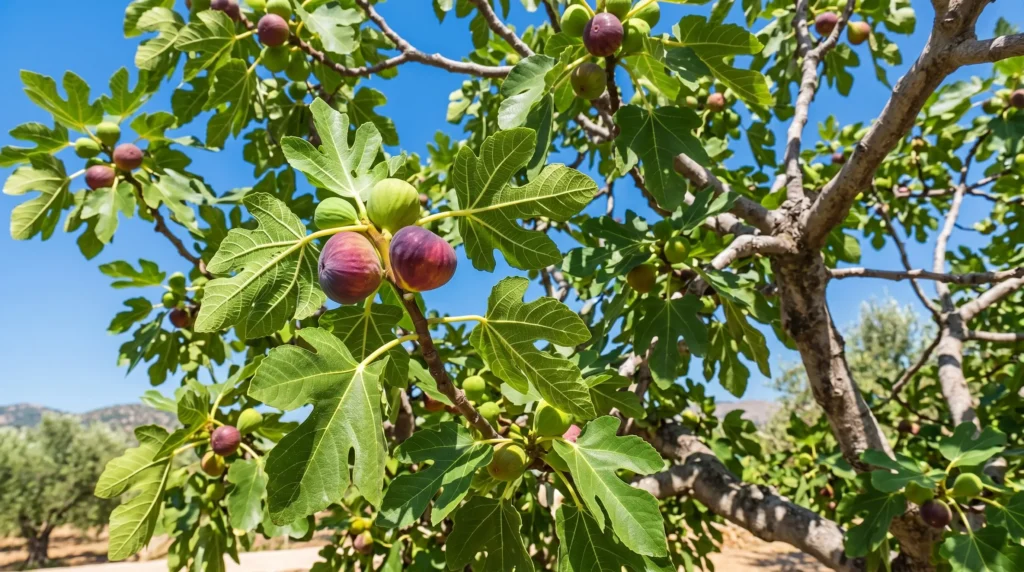
This is the most reliable method for home gardeners. You’re essentially tricking a dormant stick into thinking it’s spring.
Step 1: Choose a Healthy Parent Tree
Select a mature fig tree that:
- Produces good fruit
- Shows no signs of disease
- Has strong, healthy branches
Avoid weak or damaged stems. Healthy parent plants produce stronger offspring.
Step 2: Take the Cuttings
Choose branches that are:
- About pencil-thick (or slightly thicker)
- 6–10 inches long
- One year old (brown bark, not gray and cracked)
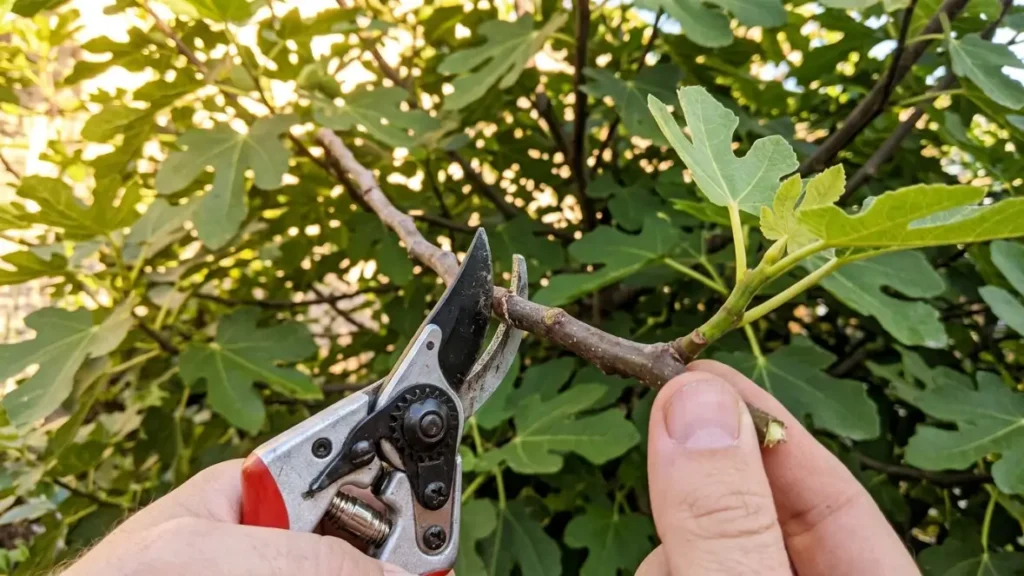
Use sterilized pruning shears to make clean cuts.
Each cutting should have:
- At least 3–5 nodes
- A flat cut on the bottom
- An angled cut on the top
The angled cut helps you remember which end faces upward.
Step 3: Prepare the Cuttings
Remove any remaining leaves or small shoots (hardwood cuttings shouldn’t have leaves yet).
Optional: Dip the bottom 1–2 inches into rooting hormone to encourage faster root development—tap off excess. While figs root well naturally, rooting hormone can improve success rates in cooler climates.
Step 4: Plant the Cuttings
Fill pots with moist, well-draining soil.
A good mix includes:
- Potting soil
- Perlite
- Sand or coco coir
Insert the cutting so that:
- About half its length is buried (at least 2–3 nodes underground)
- 1–2 nodes remain above the soil
Firm the soil gently around the stem.
Step 5: Create Humidity
Young cuttings lose moisture quickly before roots develop.
To maintain humidity:
- Cover pots with a clear plastic bag or dome
- Use a propagation dome
- Mist lightly when needed
Place the pots in:
- Bright indirect light (not harsh sun)
- Warm temperatures between 65–75°F (18–24°C)
Avoid direct hot sunlight during rooting.
Step 6: Wait for Root Development
Roots usually form within 3–8 weeks depending on temperature and humidity.
Signs of successful rooting include:
- New leaf growth
- Resistance when gently tugged
- Visible roots at drainage holes
Patience is key during this stage.
Pro tip: For even better success, take 2–3 cuttings from the same tree. Some will root faster than others. Placing pots on a seedling heat mat set to 70–75°F (21–24°C) speeds rooting significantly.
Method 2: Softwood Cuttings (Faster but Trickier)
If you missed the winter window, softwood cuttings are your next best bet. These are green, flexible shoots from the current season’s growth.
How to Do It:
- Take 4–6 inch cuttings in late spring or early morning (when the plant is most hydrated).
- Remove all but the top two leaves.
- Dip in rooting hormone (strongly recommended for softwood).
- Insert into a pot with a 50/50 mix of perlite and peat moss.
- Mist daily and keep under humidity. Roots usually appear in 3–5 weeks.
Common mistake: Letting the cutting wilt. Softwood cuttings lose moisture fast. Work quickly and keep them shaded until potted.
How to Propagate Fig Trees in Water (Alternative Method)
Some gardeners prefer rooting fig cuttings in water.
Simple Water Propagation Steps
- Place cuttings in a jar with a few inches of water
- Keep nodes submerged
- Change water every few days
- Place in bright indirect light
Once roots reach 1–2 inches long, transplant carefully into soil.
Pros: Easy to monitor roots, fun for beginners
Cons: Water roots can struggle during soil transition; higher transplant shock risk
Soil propagation is usually more reliable long term.
Method 3: Air Layering (For Bigger, Faster Trees)
Air layering works well for larger fig branches. You encourage roots to form while the branch remains attached to the parent tree. This method produces a tree-sized plant in months instead of years.
Step-by-Step Air Layering:
- Choose a healthy branch about the thickness of your thumb.
- Remove a 1-inch ring of bark about 12–18 inches from the tip. Scrape down to the green cambium layer (don’t cut all the way through).
- Wrap the wound with soaked sphagnum moss (squeeze out excess water).
- Cover with plastic wrap and seal both ends with tape or ties.
- Wait 6–12 weeks. Roots will grow inside the moss ball. When you see roots through the plastic, cut below the rooted section and pot it up.
Air layering produces larger plants faster than cuttings. It’s ideal if you’re also planning a vegetable garden and want a large fig tree to shade lettuce or peppers during summer heat.
Putting Leaves to Work: Using Fallen Leaves in Propagation
Don’t throw away those autumn leaves. Experienced gardeners know that putting leaves to work improves propagation success in two ways:
- As makeshift mulch: Shredded leaves placed around rooting cuttings (outdoors) insulate soil and retain moisture.
- In homemade potting mix: Well-rotted leaf mold (2-year-old decomposed leaves) creates a light, water-retentive medium perfect for tender new roots.
Mix 1 part leaf mold + 1 part coarse sand + 1 part compost for a phenomenal DIY rooting mix. Free, sustainable, and fig-approved.
Shredded autumn leaves can also become excellent mulch or compost that enriches soil over time. This approach reduces waste while strengthening the entire garden ecosystem.
Caring for Newly Propagated Fig Trees (First Year)
Once roots form, your propagation work isn’t over. The first year is critical. Young fig trees need careful attention.
Watering
Keep soil evenly moist—never soggy. Overwatering is the #1 killer of fig cuttings. Let the top inch dry between waterings.
Sunlight
- First 4 weeks after rooting: bright indirect light only.
- Weeks 5–8: slowly introduce morning sun.
- After 2 months: full sun (6+ hours).
Sudden intense sun can scorch tender leaves.
Fertilizing
None for the first 8 weeks. Then use a balanced liquid fertilizer (10-10-10) at half strength every 3–4 weeks. Too much nitrogen can weaken young plants.
Potting Up
When roots fill the small pot (visible at drainage holes), move to a 1-gallon container. Wait until the tree is dormant (late fall) before planting in the ground.
Cold climate bonus: Grow your new fig in a large pot for the first 2 years. Then you can move it indoors or into an unheated garage during frosty winters.
The Best Soil for Fig Trees
Fig trees thrive in loose, well-draining, slightly fertile soil. Good drainage is essential. Heavy clay soil can lead to root rot. Adding organic matter improves soil structure naturally—and that’s where putting leaves to work becomes valuable in sustainable gardening.
Growing Fig Trees in Containers
Container growing is ideal for:
- Urban gardeners
- Small patios
- Cold climates
Container Tips
- Choose large pots with drainage holes
- Use high-quality potting mix
- Water container figs more frequently because pots dry out faster
- In colder climates, move containers indoors during winter to protect roots from freezing temperatures
For urban balcony gardeners, stick to dwarf or container-friendly figs (e.g., ‘Petite Negra’) using 5–10 gallon pots.
Climate-Specific Tips for Propagating Fig Trees
Warm Climates (Zones 8–10)
- Root cuttings outdoors in fall or winter
- Provide afternoon shade for young cuttings and softwood cuttings in summer
- Avoid excessive heat stress
- Water more consistently
- You can plant directly in ground after 3 months
Cold Climates (Zones 5–6)
- Start propagation indoors in February
- Use heat mats if necessary
- Plant outdoors after last frost (May/June)
- Grow in pots for first winter, then move into an unheated garage
- Hardy fig varieties (like ‘Chicago Hardy’) perform best in northern regions
Humid Regions
High humidity can increase fungal problems. Improve airflow by spacing plants properly, avoiding overwatering, and using sterile soil mixes.
Common Mistakes When Propagating Fig Trees (And How to Avoid Them)
Even easy plants like figs can fail if basic mistakes are made.
| Mistake | Solution |
|---|---|
| Using weak or diseased cuttings | Always select healthy wood from productive trees. Poor parent material leads to poor results. |
| Overwatering | Soggy soil causes rot, mold, and root failure. Keep soil moist—not soaked. |
| Too much direct sun | Young cuttings can dry out quickly. Bright indirect light works best until roots form. |
| Poor drainage | Heavy soil suffocates developing roots. Always use airy, well-draining mixes. |
| Transplanting too early | Allow roots to become established before moving plants outdoors. Weak root systems struggle after transplanting. |
| Peeking too often | Every time you lift a cutting to “check for roots,” you damage fragile new growth. Be patient. |
| Planting upside-down | Always cut straight at bottom, angled at top—that’s your visual guide. |
Pro Tips for Nearly 100% Success & Bigger Harvests
After propagating hundreds of fig trees, here’s what actually moves the needle:
- Use fig branches from the previous year’s growth (brown bark, not gray and cracked).
- Warm soil speeds rooting: Place pots on a seedling heat mat set to 70–75°F (21–24°C).
- A little sugar water helps: Some pros dip cuttings in 1 part honey + 9 parts water (natural rooting stimulant).
- Don’t remove the bag too soon: Wait until you see 3–4 new leaves before hardening off.
- Root multiple varieties: ‘Brown Turkey’, ‘Chicago Hardy’, and ‘Celeste’ are easiest for beginners.
- Mulch generously to retain moisture, regulate soil temperature, and reduce weeds.
- Prune annually in late winter to improve airflow, encourage fruiting, and control size.
- Protect fruit from birds using netting, garden fabric, or reflective tape.
How Long Until a Propagated Fig Tree Produces Fruit?
Most propagated fig trees begin producing fruit within 2–3 years under good conditions. Cuttings from a mature fig tree can fruit in the very first year (small crop), with a solid harvest by year 2–3. Container-grown trees may fruit even sooner. Air-layered branches often fruit the same season they root.
Proper sunlight, watering, and pruning accelerate production.
Companion Planting Ideas for Fig Trees
Fig trees pair well with lavender, rosemary, marigolds, and nasturtiums. These companion plants attract pollinators, improve biodiversity, and create healthier garden ecosystems.
For gardeners interested in Gardener: Planning a vegetable garden, integrating figs into mixed edible landscapes can maximize both beauty and productivity.
Sustainable Gardening Benefits of Fig Trees
Fig trees support sustainable gardening because they:
- Live for decades
- Require fewer chemicals
- Produce abundant food
- Adapt well to drought once established
Composting leaves, pruning waste, and kitchen scraps creates a natural cycle that improves soil health year after year. This reduces waste while strengthening the entire garden ecosystem.
Frequently Asked Questions
Can I propagate a fig tree from a single branch?
Yes. A healthy branch with several nodes can successfully root and become a full tree.
Do fig cuttings need rooting hormone?
No, figs often root without it. However, rooting hormone can improve success rates and speed up root development-especially for beginners or in cooler climates.
How long does it take for fig cuttings to root?
Most fig cuttings root within 3–8 weeks depending on warmth, humidity, and growing conditions. Softwood cuttings root faster (3–5 weeks); hardwood cuttings may take up to 8 weeks.
Can fig trees grow indoors?
Yes. Dwarf varieties grow well indoors near sunny windows or under grow lights, especially in containers.
What is the easiest method for beginners?
Hardwood cuttings planted directly in soil are usually the easiest and most reliable method for beginners. ‘Chicago Hardy’ and ‘Brown Turkey’ are the most forgiving varieties.
Final Thoughts: Your Fig Journey Starts With One Cutting
Learning how to propagate a fig tree is one of the most rewarding skills a gardener can develop. With minimal tools and a little patience, you can grow beautiful fruit-bearing trees that provide harvests for many years.
Whether you’re expanding a backyard orchard, experimenting with container gardening, or exploring sustainable practices like putting leaves to work, fig propagation offers a simple and affordable way to grow more food naturally.
If you’re already a gardener planning a vegetable garden, adding a fig tree (or three) turns your space into a true food forest. Start with one healthy cutting today, and in a few years, you could be enjoying baskets of sweet, homegrown figs straight from your own garden.
Your turn: Have you ever propagated a fig tree? What method worked best for you? Drop a comment below-I read every one and love hearing your success stories.
Happy propagating, and may your harvest be sweet and endless.
This combined article now reads as a single, authoritative guide-no repetition, just clear value from hook to call-to-action.