
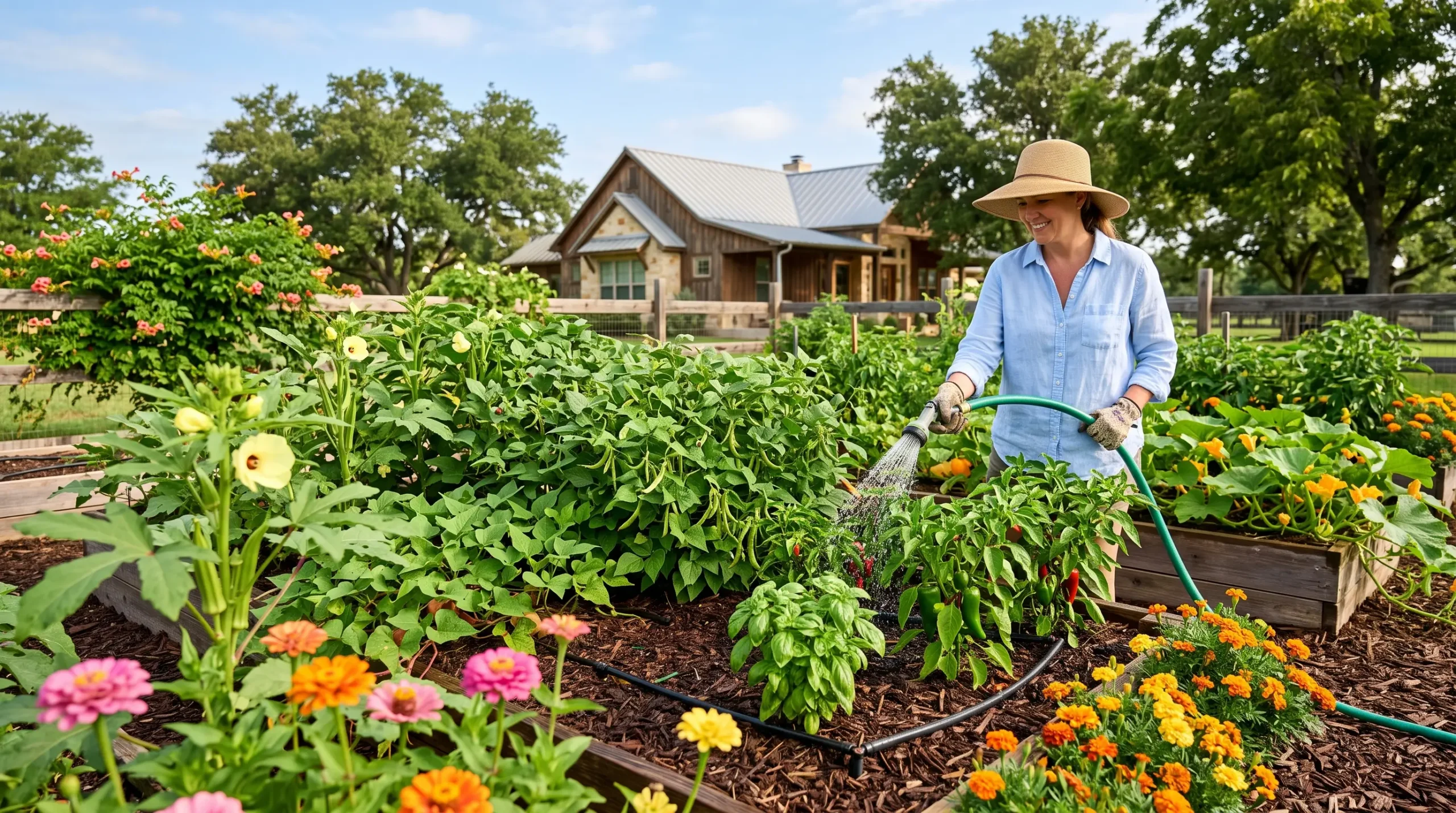
Featured Snippet: What to Plant in July in Texas
In July, Texas gardeners should plant heat-loving vegetables like okra, Southern peas (black-eyed peas), and sweet potatoes, as well as heat-tolerant greens like Malabar spinach. It is also the critical window to plant pumpkins for October harvests and start fall tomato and pepper transplants. For color, plant heat-shrugging flowers like zinnias, vinca, and moss rose.
July in Texas is often referred to as the “Second Spring” or the “Death Valley” of the gardening calendar, depending on how prepared you are. With temperatures routinely soaring above 100°F, the primary challenge is the unrelenting heat and high evaporation rates. However, for the seasoned Lone Star gardener, July is a month of strategic transition.
While the spring tomatoes may be sulking in the heat, July is the perfect time to sow crops that thrive in the oven-like conditions of a Texas summer. Furthermore, July is the secret weapon for a successful Texas fall garden. By starting transplants and specific seeds now, you ensure your plants have enough time to mature before the first frost hits in November or December.
Because Texas is massive, your strategy depends on your location. North Texas gardeners are already looking toward the first frost, while South Texas gardeners are managing a season that stays warm well into the holidays. Whether you are in the humid Piney Woods of East Texas or the arid High Plains of West Texas, this guide will help you navigate the peak of summer.
Understanding Texas Gardening Zones
Texas spans USDA Hardiness Zones 6b through 10a. This means a gardener in Amarillo (North) has a completely different timeline than a gardener in McAllen (South).
- North Texas (Zones 7a-8a): July is about survival and starting seeds for the fall. The first frost often arrives in early November.
- Central Texas (Zones 8a-8b): The “flash drought” zone. Soil moisture management is key. This is the prime time for pumpkin planting.
- South Texas (Zones 9a-10a): Practically a tropical climate. You can plant heat-lovers all month long, and your “fall” garden may not start until late September.
- East Texas (Zone 8): High humidity leads to fungal issues. Choose disease-resistant varieties.
- West Texas (Zones 7-8): High heat with extremely low humidity. Rapid evaporation means mulch is your best friend.
Regional July Planting Guide
| Region | Typical July Highs | Best Crops to Start |
|---|---|---|
| North Texas | 94°F – 100°F | Okra, Southern Peas, Fall Tomato Transplants |
| Central Texas | 96°F – 102°F | Pumpkins, Sweet Potatoes, Cantaloupe |
| South Texas | 98°F – 105°F | Watermelon, Peppers, Okra, Eggplant |
| East Texas | 92°F – 98°F | Southern Peas, Lima Beans, Zinnias |
| West Texas | 95°F – 103°F | Heat-tolerant Squash, Okra, Basil |
Best Vegetables to Plant in July in Texas
Okra
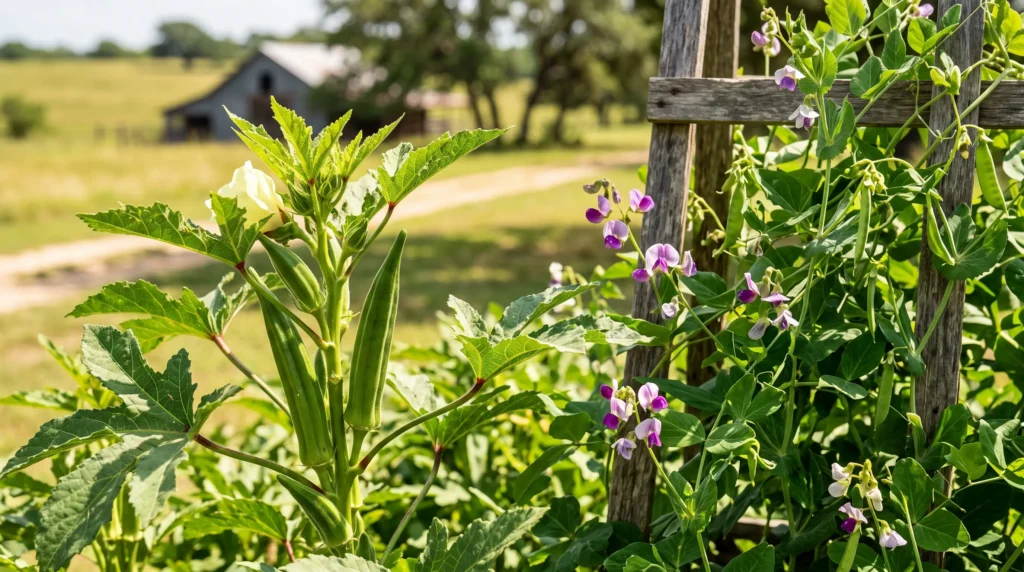
Okra is the undisputed king of the Texas July garden. This hibiscus relative actually prefers temperatures in the 90s and 100s.
- Sun: Full sun (8+ hours).
- Soil: Well-drained, slightly acidic to neutral.
- Water: Deeply once a week; okra is drought-tolerant but produces better with consistent moisture.
- Days to Harvest: 50–60 days.
- Growing Tip: Soak seeds in water for 12–24 hours before planting to speed up germination in dry soil.
Southern Peas (Black-eyed Peas, Cowpeas, Crowder Peas)
Unlike English peas, Southern peas love the heat. They are also excellent “soil builders” because they fix nitrogen.
- Why July: They germinate quickly in warm soil and require very little supplemental fertilizer.
- Water: Low to moderate.
- Days to Harvest: 60–90 days.
- Common Mistake: Over-fertilizing with nitrogen. This leads to massive green vines but no actual peas.
Sweet Potatoes
While usually planted in late spring, July is the absolute last call for sweet potato slips in Central and South Texas.
- Sun: Full sun.
- Soil: Loose, sandy soil is best for root expansion.
- Growing Tip: Ensure the soil stays moist for the first two weeks after planting slips to establish the root system.
Pumpkins
If you want a “Jack-o’-lantern” for Halloween, you must plant in July.
- Why July: Most varieties take 90–120 days to mature. Planting in early July sets you up for a mid-October harvest.
- Water: High. Keep the soil moist but avoid wetting the leaves to prevent powdery mildew.
- Pest Watch: Squash bugs and vine borers are rampant in July. Use row covers until flowers appear.
Malabar Spinach
Traditional spinach will bolt (go to seed) instantly in Texas heat. Malabar spinach is a climbing vine that tastes remarkably similar but loves 100°F weather.
- Sun: Full sun to partial shade.
- Growing Tip: Provide a trellis or fence for the vine to climb.
Best Herbs to Plant
Texas July heat acts like an incubator for Mediterranean and tropical herbs.
- Basil: The faster you pick it, the faster it grows. Plant seeds or transplants now.
- Mexican Mint Marigold: Often called “Texas Tarragon,” this plant thrives when French tarragon withers.
- Rosemary: Extremely drought-tolerant once established.
- Lemongrass: Thrives in heat and humidity; works great in containers.
- Rosemary & Oregano: These woody perennials can be planted now, provided they are watered daily until established.
Best Flowers to Plant in July
Don’t let your landscape look scorched. These varieties provide “Texas Tough” color:
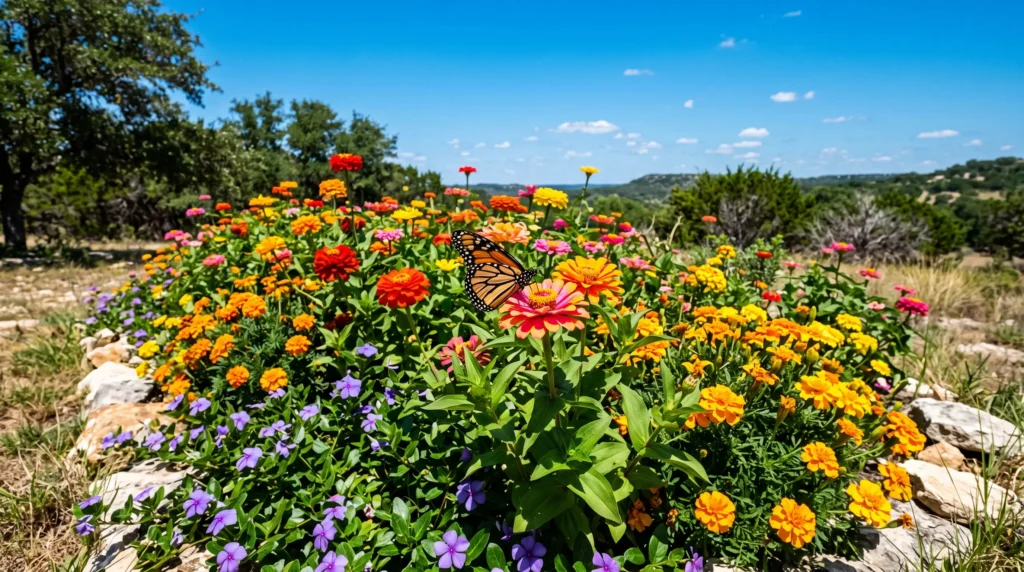
- Zinnias: The ultimate heat-loving pollinator plant. Sow seeds every 2 weeks for continuous blooms through fall.
- Vinca (Periwinkle): Extremely drought-tolerant and comes in vibrant purples, pinks, and whites.
- Portulaca (Moss Rose): A succulent-like flower that thrives in poor soil and extreme heat.
- Sunflowers: Plant the “mammoth” varieties now for towering blooms by September.
- Blanket Flower (Gaillardia): A Texas native that is virtually indestructible.
Fruit Crops to Plant
- Watermelon & Cantaloupe: In South and Central Texas, an early July planting can result in a delicious late-summer treat.
- Fall Tomatoes: This is the most important “fruit” task. Buy transplants (not seeds) in late July. Keep them in the shade for a few days to acclimate before planting them in the garden with shade cloth protection.
- Peppers: Like tomatoes, pepper transplants should go in late July to take advantage of the moderating temperatures in September.
What NOT to Plant in July
Avoid these crops, as they will likely die or fail to produce during a Texas July:
- Broccoli, Cauliflower, and Cabbage: The soil is far too hot for these. Wait until late August/September.
- Traditional Lettuce & Spinach: They will turn bitter and bolt within days.
- English Peas: They stop growing once temps hit 80°F.
- Root crops like Carrots: Germinating carrot seeds in 100°F soil is nearly impossible without constant misting.
Essential July Gardening Tips
- The “Finger Test” for Watering: Stick your finger 2 inches into the soil. If it’s dry, water. If it’s moist, leave it.
- Mulch Like Your Garden Depends on It: Apply 3–4 inches of organic mulch (shredded bark, straw, or pine needles). This can lower soil temperature by 10–15 degrees.
- Water in the Morning: Watering between 5:00 AM and 9:00 AM reduces evaporation and prevents fungal growth that occurs when leaves stay wet overnight.
- Use Shade Cloth: A 30–40% shade cloth can be the difference between life and death for new transplants like tomatoes or peppers.
- Avoid Heavy Pruning: Leaves act as an umbrella for the plant’s internal stems. Pruning in July exposes “tender” parts of the plant to sunscald.
Common July Gardening Mistakes
- Over-watering in clay soil: This “drowns” the roots. Ensure drainage is adequate.
- Fertilizing stressed plants: If a plant is wilting from heat, adding fertilizer salts will only stress it further. Water first, fertilize when the weather breaks.
- Planting seeds too shallow: Surface soil dries out fast. Plant seeds slightly deeper in July than you would in April.
- Ignoring Pests: Spider mites love hot, dry weather. Check the undersides of leaves regularly.
- Using overhead sprinklers: These lose up to 50% of water to evaporation. Switch to drip irrigation.
- Forgetting the gardener: Work in the garden only before 10 AM or after 7 PM to avoid heatstroke.
- Not harvesting daily: Okra and beans grow incredibly fast in the heat; if they get too big, the plant stops producing.
- Planting in black plastic pots: These absorb heat and “cook” the roots. Use light-colored or fabric pots.
- Neglecting weeds: Weeds steal precious water. Pull them as soon as they appear.
- Waiting too late for fall prep: If you wait until it “feels” like fall to plant, it’s already too late for most Texas crops.
Texas July Planting Calendar
| Crop | Best Time (July) | Sun Requirements | Expected Harvest |
|---|---|---|---|
| Okra | Early to Mid | Full Sun | Sept – Oct |
| Southern Peas | All Month | Full Sun | Sept |
| Pumpkins | Early July | Full Sun | October |
| Fall Tomatoes | Late July (Transplants) | Full Sun (w/ Shade Cloth) | Oct – Nov |
| Zinnias | All Month | Full Sun | 6 weeks from seed |
| Sweet Potatoes | Early July | Full Sun | Nov (before frost) |
Monthly Garden Checklist
- [ ] Water: Check drip lines for clogs. Increase frequency for container plants.
- [ ] Mulch: Refresh thin spots in garden beds.
- [ ] Monitor: Look for Spider Mites and Squash Bug eggs.
- [ ] Harvest: Pick okra, peppers, and herbs regularly to encourage growth.
- [ ] Prep: Clear out spent spring plants (dead corn stalks, dried-up bean vines) to make room for fall crops.
- [ ] Compost: Keep your compost pile moist; the heat will accelerate decomposition, but it needs water to stay active.
Recommended Gardening Products
Soaker Hose
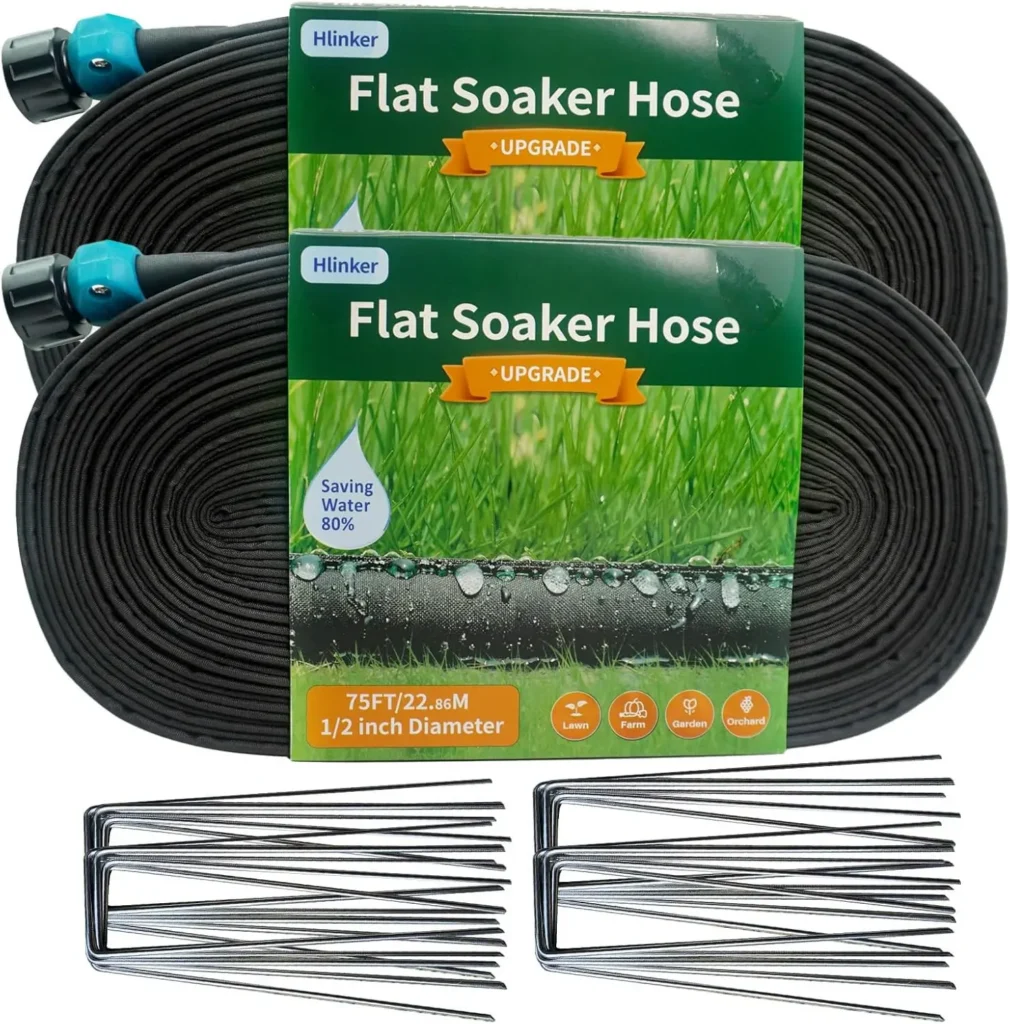
A must-have for Texas summers. It delivers water directly to the roots, minimizing evaporation.
- Best for: Vegetable rows and foundation plantings.
Organic Mulch (Cedar or Hardwood)

Helps maintain soil moisture and suppresses weeds.
- Key Feature: Look for “double-shredded” for better staying power against Texas winds.
Shade Cloth (40% UV Protection)
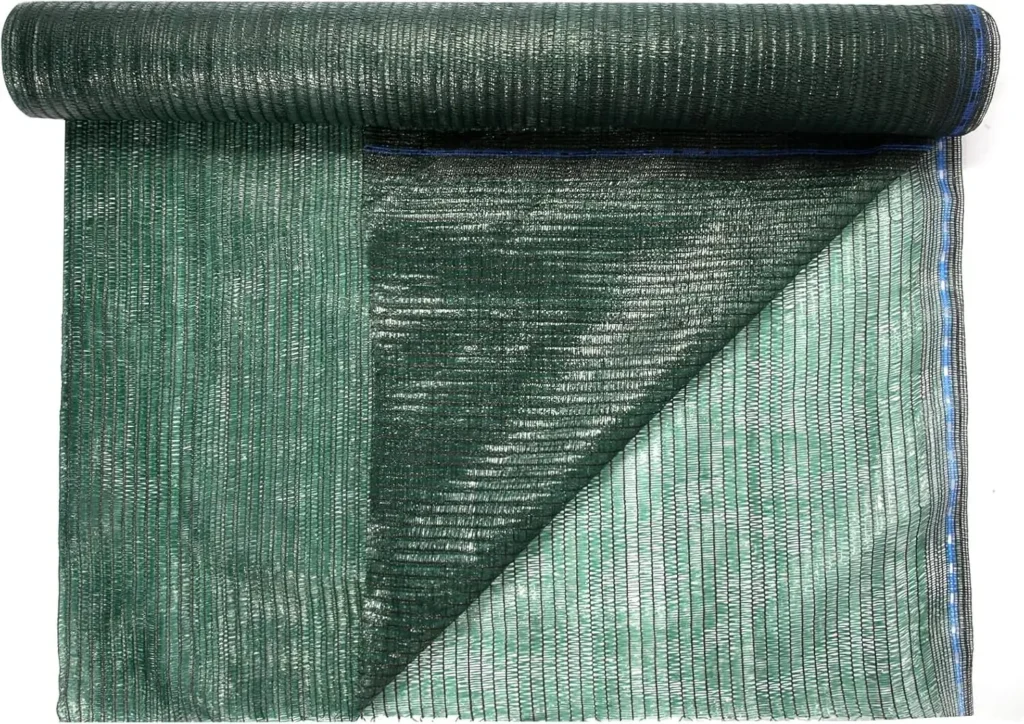
Essential for getting fall tomato transplants through the July sun.
- Why it’s useful: It drops the temperature under the cloth by several degrees.
Moisture Meter
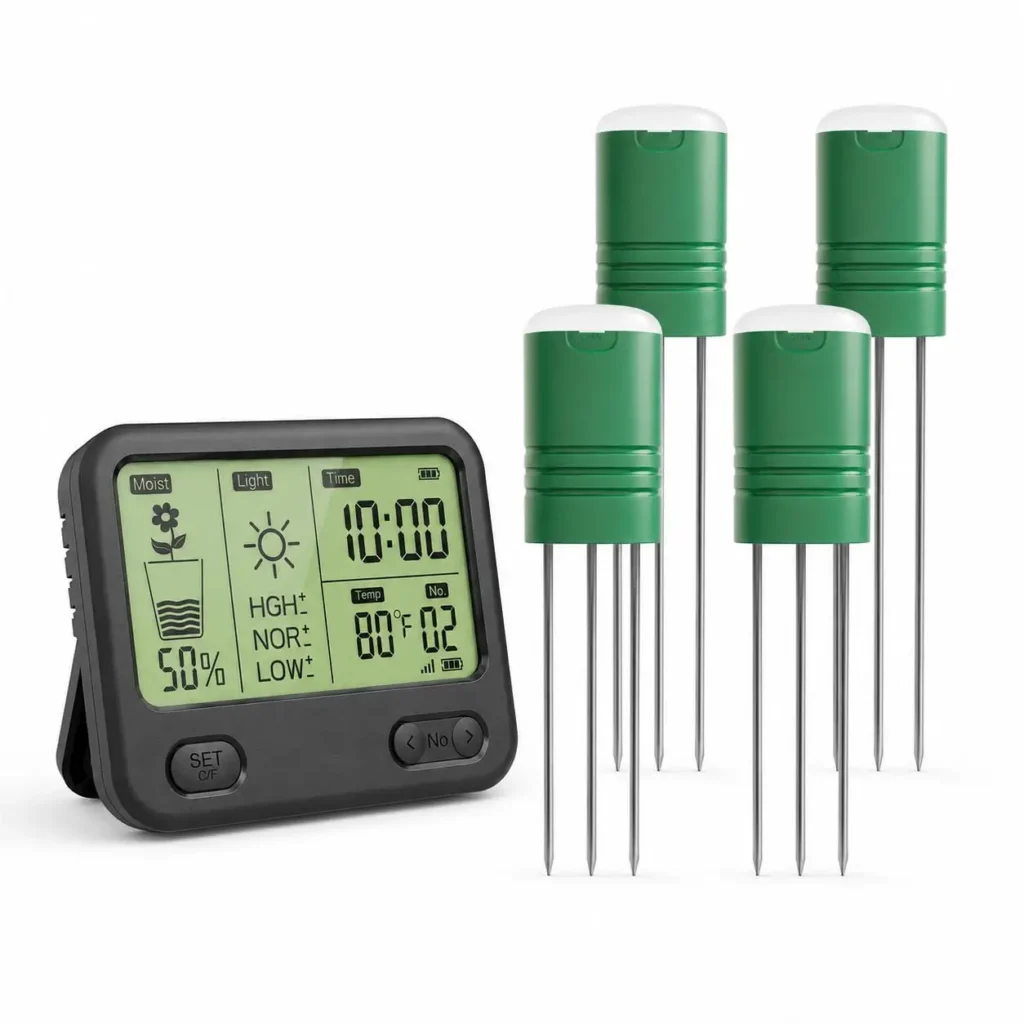
Stop guessing if your plants need water.
- Best for: Beginners and container gardeners.
Drip Irrigation Kit
The most efficient way to water a Texas garden.
- Key Feature: Can be set on a timer for early morning watering.
Frequently Asked Questions
Is July too late to plant a garden in Texas?
Not at all! While it is too late for cool-season crops, it is the prime time for heat-lovers like okra and the perfect time to start your fall garden transplants.
Can tomatoes be planted in July?
Yes, but you should plant transplants, not seeds. Look for “heat-set” varieties and provide them with shade cloth until the temperatures drop in September.
How often should I water my garden in July?
In the peak of a Texas summer, most gardens need deep watering 2–3 times a week. Container plants may need water twice a day (morning and evening).
Can I grow cucumbers in July?
Yes, but look for “slicing” varieties that are heat-tolerant. Keep them well-watered, or the fruit will turn bitter.
Conclusion
While the heat of a Texas July is legendary, it doesn’t mean your gardening journey has to pause. By choosing “Texas Tough” vegetables like okra and Southern peas, and by preparing your fall tomato beds now, you can keep your garden productive year-round. Remember: mulch heavily, water early, and don’t forget to take care of yourself in the sun.
Happy gardening, y’all!


